Search for the Ideal Storage Unit: Trustworthy, User-Friendly, and Reasonably-Priced Options Near You
Choosing the appropriate storage unit takes detailed consideration of various variables. Security, accessibility, and affordability are important in making an informed decision. Potential users must assess their needs concerning capacity, location, and necessary features. Understanding what to prioritize can help the selection process greatly. However, the decision often goes beyond simple logistics and cost. What specific elements should be considered to guarantee the best fit for individual circumstances?
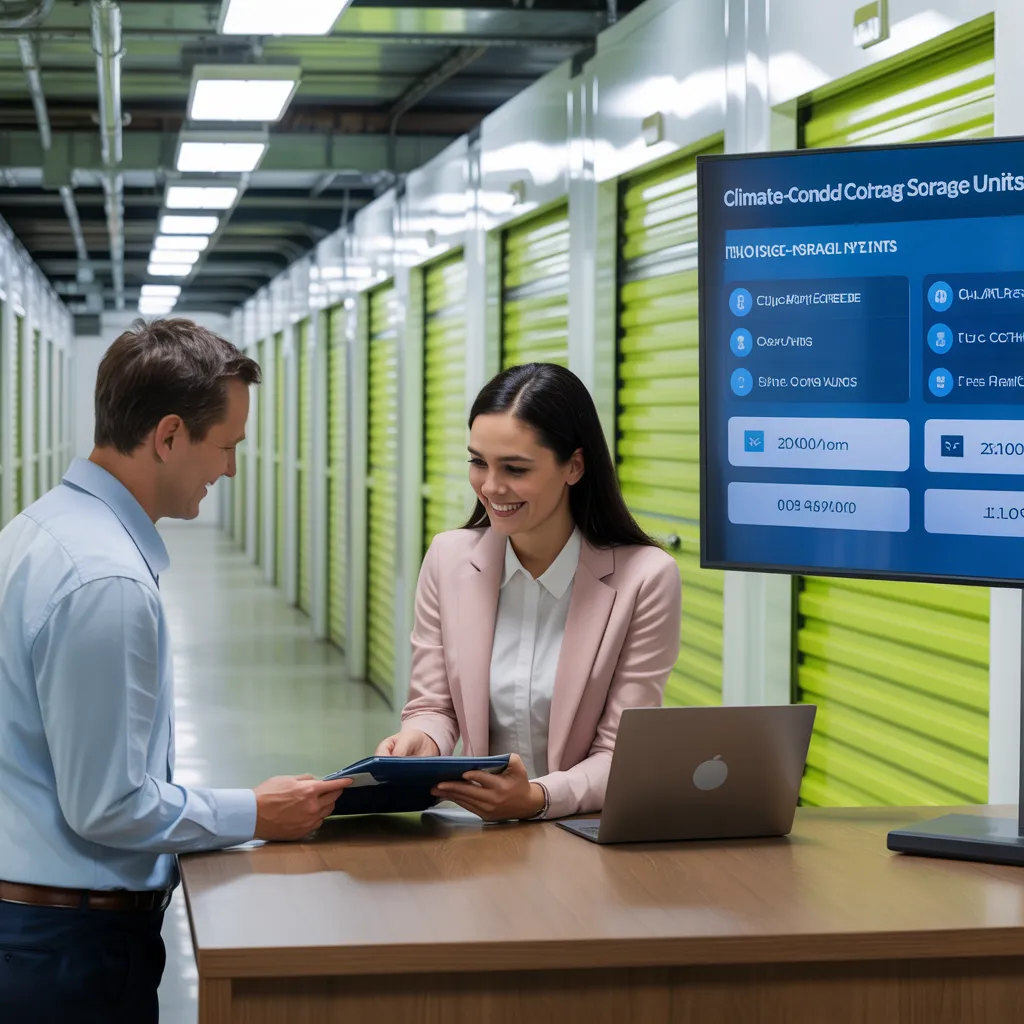
How to Establish the Suitable Scale Storage Unit?
When choosing the suitable size for a storage facility, how can one guarantee that their requirements are met without overspending? To identify the correct size, individuals should initially inventory their belongings, categorizing items by size and quantity. This evaluation provides a clearer picture of required room. Next, it is recommended to reflect on future needs, as additional items may arise over time.
Using standardized size references provided by storage facilities can also help, as these guides generally show how many boxes or furniture pieces can fit within each unit size. Additionally, visualizing the space can be beneficial; some facilities provide virtual tours or diagrams.
Lastly, consulting customer reviews may highlight practical experiences concerning unit sizes, providing additional understanding. By conducting thorough research and planning, individuals can choose a storage unit that fulfills their needs efficiently while preventing extra expenses.
Critical Aspects to Identify in Your Ideal Storage Facility
What vital aspects should one consider when selecting a storage facility? Security is paramount; search for facilities equipped with surveillance cameras, gated access, and individual unit alarms. Climate control is another critical feature, especially for valuable items like electronics or artwork, maintaining ideal conditions regardless of external weather.
Accessibility serves an important function as well. Facilities with flexible scheduling or round-the-clock availability allow users to retrieve items at their convenience. Additionally, a range of different dimensions is beneficial, meeting varied storage requirements.
Examine the facility's sanitation and preservation, illustrating its pledge to quality. In addition, learn about customer service; responsive and helpful staff can wonderfully improve the rental experience. Finally, where it's located matters; a facility positioned near home or work can save time and effort. Reviewing these important qualities will confirm that one opts for a storage option that meets both practical and personal requirements.
Tips for Evaluating Prices on Budget Storage Choices?
Comparing prices for budget-friendly storage solutions demands a organized method to ensure the best value. First, individuals should determine their specific needs, such as storage space, area, and length of lease. Next, they can gather pricing estimates from several facilities, utilizing digital comparison platforms or reaching out to storage companies. It is essential to assess any promotional offers or reductions that could be available, as these can greatly affect overall costs.
Additionally, potential renters should pay attention to the agreement details, including any hidden fees for access, insurance, or overdue charges. Creating a spreadsheet to monitor the expenses and specifications of each choice can simplify the selection procedure. In conclusion, reading user feedback can provide insight into the facility's reputation and service quality, ensuring that the chosen storage option is not only budget-friendly but also reliable and appropriate for one's needs.
What Protection Measures Should You Evaluate?
When selecting a storage unit, security systems play a critical role in safeguarding the safety of items. Key factors to assess include access control systems, which control entry, along with video cameras that observe activity. Additionally, ample lighting can discourage report potential risks and strengthen sight lines around the facility.
Access Control Solutions
As security issues keep growing, choosing the suitable security management systems for storage areas becomes more vital. Future clients should highlight elements like electronic gate access, personal identification numbers (PINs), and magnetic card access. These systems offer a dependable layer of security, ensuring that only authorized individuals can gain access to the facility. Moreover, the existence of fingerprint devices, such as facial or fingerprint authentication, can additionally strengthen security by adding a personal element. It's also vital to evaluate simple user interfaces that make possible straightforward entry management. Periodic maintenance and updates of entry security systems are critical to address security gaps. In the end, a properly designed entry control solution can significantly boost the complete security of storage facilities.
Surveillance Cameras and Lighting
Access control systems constitute only part of an complete security strategy for storage facilities. Surveillance cameras play an crucial role in monitoring activities around the premises, discouraging potential theft or vandalism. When selecting a storage unit, it is vital to ask about the number and placement of cameras, as well as whether they offer 24/7 recording capabilities. Additionally, adequate lighting boosts safety by illuminating the area, making it difficult for intruders to operate unnoticed. Motion-activated lights can further deter criminal activity. Prospective renters should verify that the facility uses both high-quality surveillance and effective lighting to create a safe environment, safeguarding their belongings and providing peace of mind.
Tips for Efficiently Organizing Your Storage Unit
Organizing a storage unit efficiently can remodel a crowded space into a well-structured environment. To fulfill this, one should start by categorizing items into individual groups, such as seasonal decorations, sports equipment, and important documents. Next, utilizing vertical space is essential; shelving units can maximize storage while keeping items simply accessible. Marking boxes clearly helps to discern contents at a glance, curtailing the time spent searching for specific items.
Furthermore, arranging frequently accessed items near the front enables speedy access, while seldom accessed products can be placed at the rear end. Creating an record of contents can also improve systematization, ensuring that no item is overlooked or displaced. Finally, maintaining a regular schedule for reviewing and rearranging the unit can avoid mess buildup over time. By adopting these tips, one can ensure a functional and efficient storage unit that meets their needs.
Discover How to Reach and Control Your Storage Space Conveniently?
Accessing and managing a storage unit can greatly impact the overall efficiency of its use. Understanding access hours is essential for scheduling appointments, while implementing efficient organization methods helps improve the retrieval process. Together, these elements enhance the overall storage experience.
Learn About Access Hours
In what manner can someone successfully manage the different operating times of a self-storage facility? Comprehending the operating times is vital for effective organization. Most facilities offer typical operating times, typically from dawn until evening, while some offer 24-hour availability. It's important to confirm the specific hours of operation for the selected unit. Many storage centers also have specific days when entry is limited, such as special occasions or maintenance days.
Moreover, clients should ask about any procedures for after-hours entry, which may require a keycode or unique accommodations. By understanding these considerations, individuals can more effectively organize their timetables and guarantee they can access or deposit items as needed, avoiding possible disruptions.
Organizing Items Efficiently
Effectively controlling belongings within a storage unit calls for thoughtful planning and strategic arrangement. Initially, individuals should sort belongings by type, how often they’re used, or size, assuring that frequently needed belongings are located at the front. Clearly labeling boxes can significantly improve retrieval. Using shelving optimizes vertical space, and clear bins provide a way to see items without opening each container. Periodically reviewing and removing unneeded belongings helps avoid clutter. Furthermore, creating an inventory list, whether digital or paper, permits easy tracking of stored belongings. Maintaining a regular access schedule can also improve visits by making the most of the time at the storage unit. Together, these methods support efficient storage unit management, simplifying both access and organization.

Frequently Requested Questions
What Items Are Prohibited in Most Storage Units?
Hazardous materials, perishable goods, live animals, stolen items, illegal substances, and firearms are generally prohibited in most storage units. These restrictions are designed to guarantee safety, security, and compliance with local regulations for all tenants using the facility.
May I retrieve My Storage Unit After Hours?
Getting access to a storage facility after hours is subject to the facility's policies. Some provide 24/7 access with a unique passcode, while others restrict entry to regular business hours. It's crucial to check specific terms before renting.
Are there insurance options for belongings in storage?
Yes, many storage units offer insurance options for stored items. Renters can choose from various protection packages, protecting belongings against theft, destruction, or acts of nature, guaranteeing peace of mind during the time in storage.
How Do Climate-Controlled Units Differ From Traditional Units?
Climate-controlled units sustain stable temperature and humidity levels, protecting sensitive items from extreme conditions. In contrast, standard units do not provide this regulation, possibly exposing belongings to temperature fluctuations and moisture, which can cause damage over time.
What Forms of Payment Methods Are Supported for Storage Rentals?
Most storage units welcome various payment methods, including credit and debit cards, electronic bank transfers, and sometimes checks. Some may even make available online payment options for increased flexibility and ease in managing rental fees.